
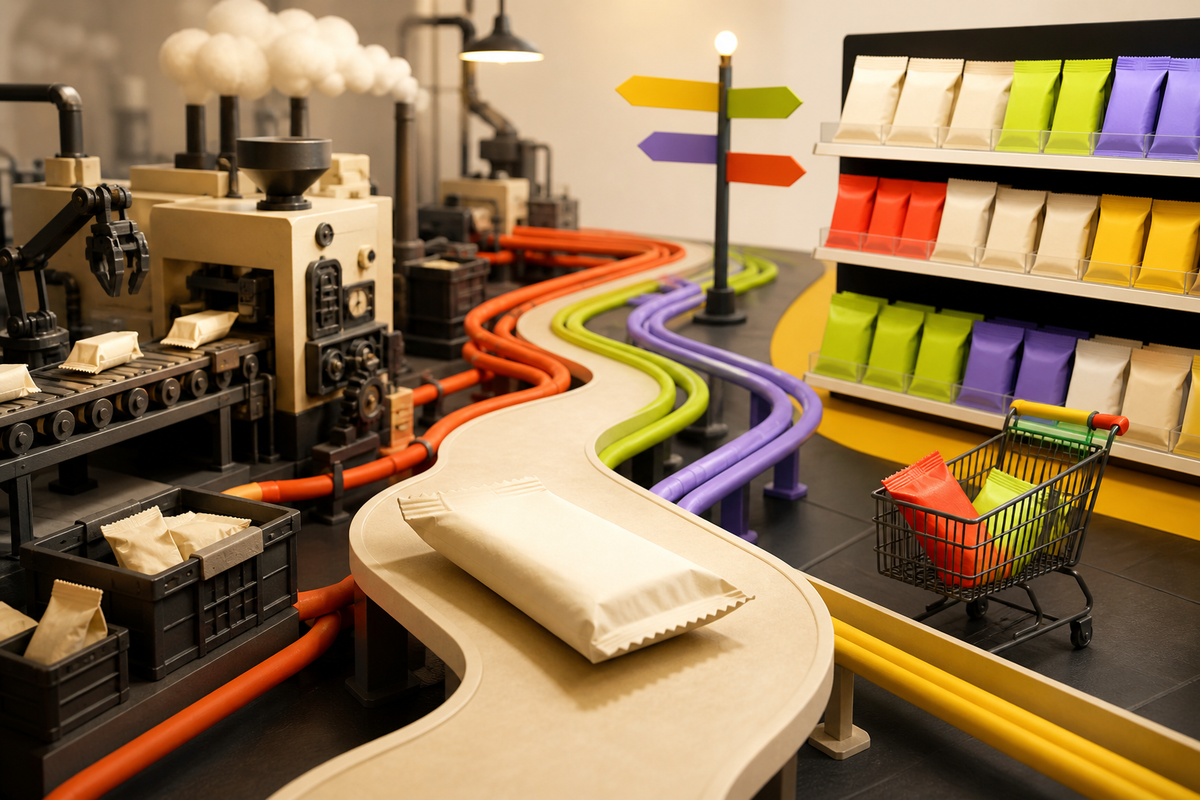
“If people loved it, why did they stop making it?”
Because a good product can lose for reasons that have little to do with whether people enjoyed it. One flavour can disappear inside a much bigger decision about factories, retailers, margins, ownership, or strategy.
A product can be loved and still be inconvenient
Large companies manage portfolios, not isolated memories. A smaller item may compete for line time, shelf space, ingredients, packaging, marketing, and working capital against products with bigger volume or simpler operations.

Distribution changes the answer
A product may work in one region or channel and fail to earn national shelf space. Retail consolidation, distributor economics, minimum orders, cold-chain needs, or a package that does not fit modern shelves can end an otherwise appealing idea.
The category may move underneath it
Tastes, nutrition expectations, ingredient costs, regulation, and convenience habits change. Sometimes the remembered experience is still relevant, but the old way of delivering it is not.
What disappearance does—and does not—tell us
Discontinuation is not proof that nobody wanted the product. It is also not proof that a comeback would work. It is a reason to investigate the specific failure, the memory that remains, and what would need to be different now.
Tell us which disappeared favourite still has a place in your memory.