
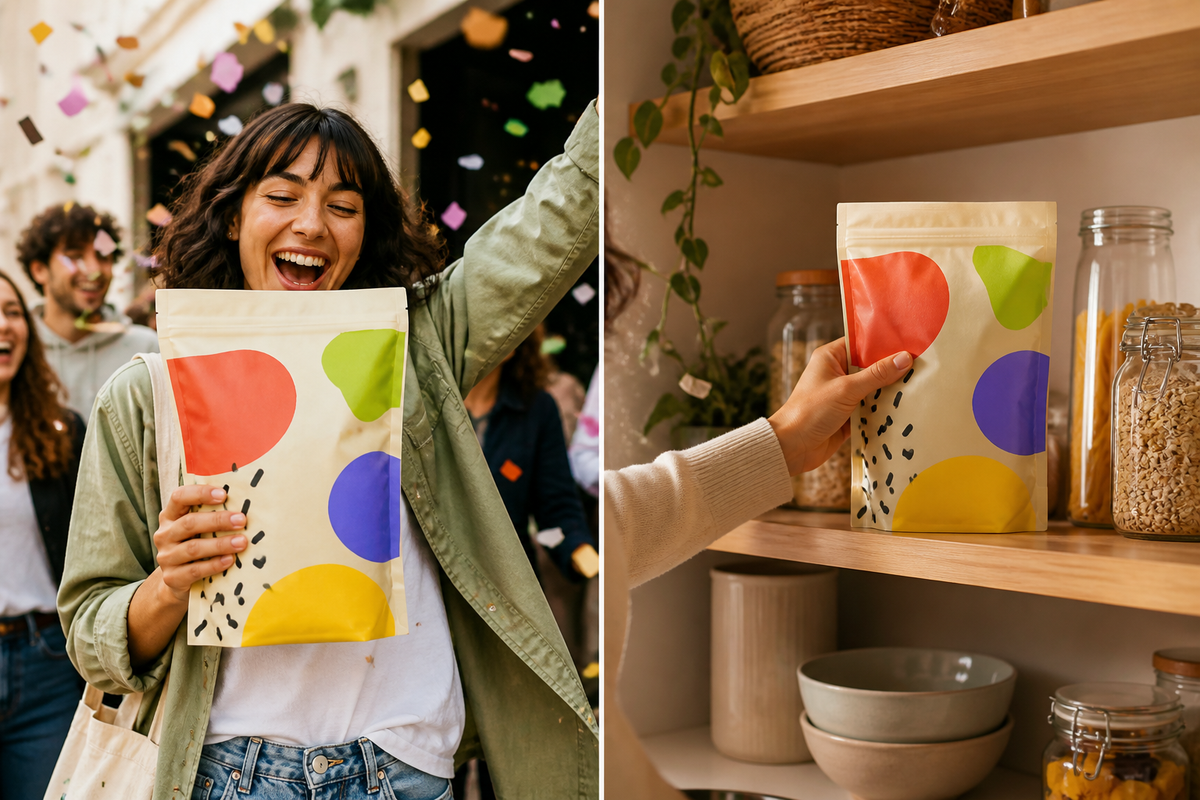
The first purchase says, “I remember.” What does the second one say?
“This still fits me.” That is a much harder and more valuable answer.

Recognition reduces the first barrier
A familiar memory can make someone stop, click, share, or buy. That is a real advantage—but it can hide weaknesses during the first wave.
Real life changes the evaluation
The customer tastes the product at home, pays the current price, stores it, opens the package, shares it, or forgets it in the pantry. Convenience, trust, portion, quality, and occasion become more important than the story.
The second decision is comparative
Would the customer choose it instead of a familiar alternative? Would they miss it again if it disappeared tomorrow? Repeat purchase turns the comeback from an event into a habit.

Plan for the loop before launch
Price, availability, quality consistency, package size, fulfilment, and honest expectations all shape whether the experience can repeat. A dramatic launch cannot compensate for a weak second decision.