
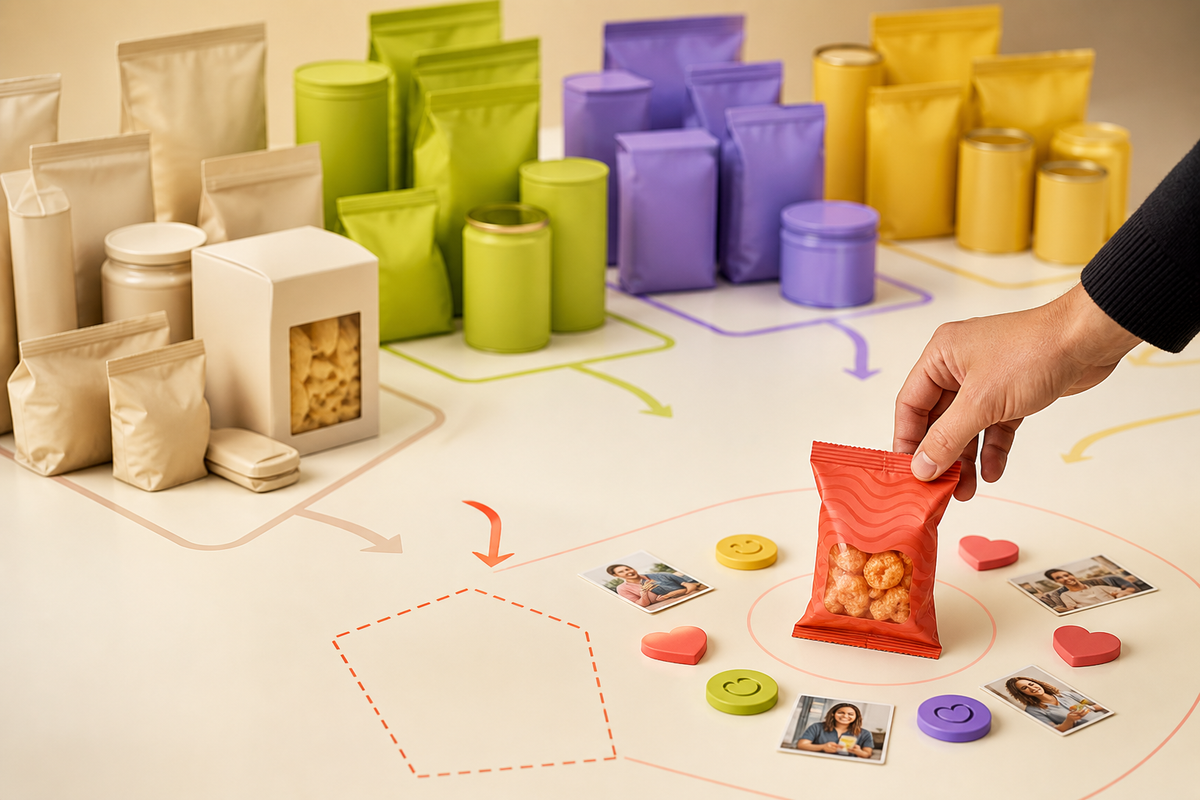
If it was good, why is it gone?
Because “good product” and “good fit for the system around it” are different judgments.
Portfolios force choices
A company may own many brands, flavours, sizes, and experiments. Every one competes for line time, shelf space, attention, inventory, and working capital. A smaller favourite can lose to a simpler or faster-growing item.

Factories reward consistency and scale
A special ingredient, slow process, difficult changeover, fragile package, or regional volume can make an item disproportionately expensive to keep.
Retailers decide what earns space
Distribution, velocity, margin, promotional support, package dimensions, and category strategy all affect whether a product reaches the shopper at all.

Timing changes the result
Consumer habits, regulation, nutrition expectations, ingredient costs, and media channels can move faster than the product. A concept may be too early, too late, or simply introduced in the wrong context.
Discontinuation is a clue, not a verdict
It tells RVVL to ask what failed, what people still remember, and what would have to change now. Explore the longer guide or nominate the one you still miss.