
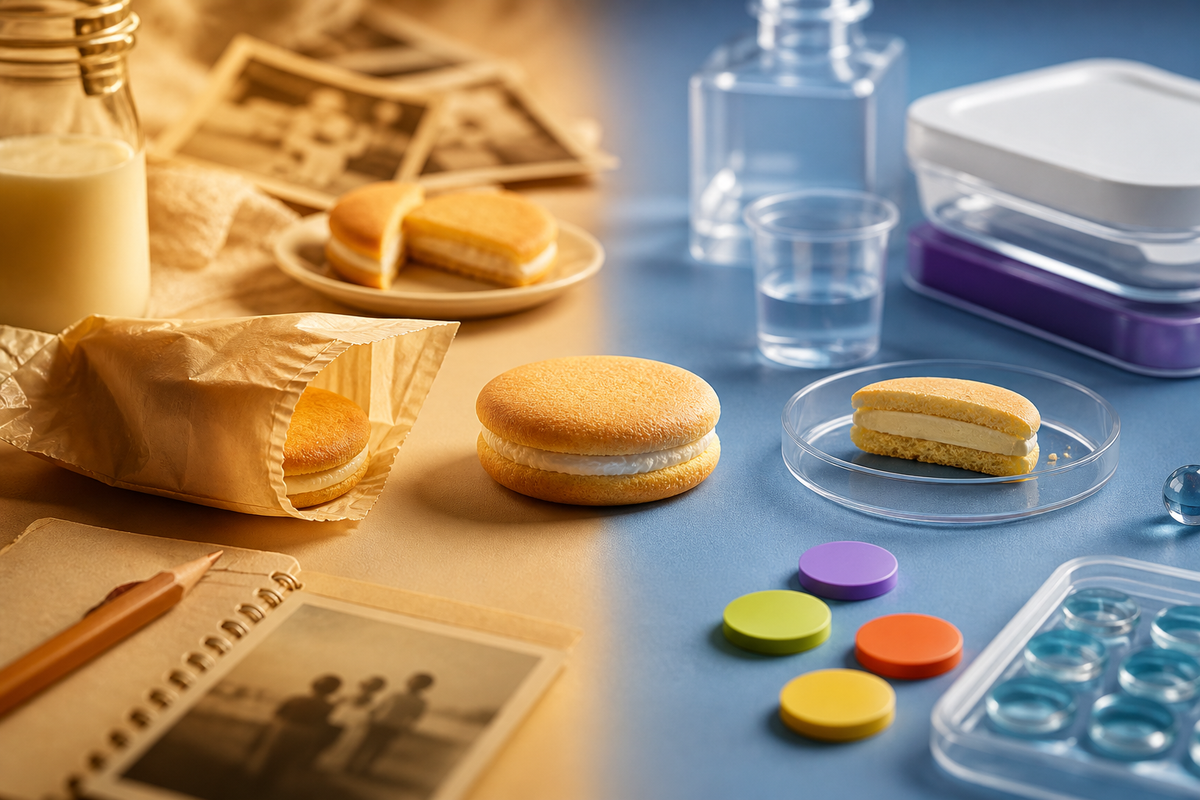
“Everyone in the comments wants it back.” That can be true and still leave the biggest question unanswered: would enough people choose it in real life?
Nostalgia is excellent at finding emotional heat
It shows which names still unlock a story, which flavours stayed distinctive, and which moments became part of a generation’s shared language. That is valuable. It helps RVVL decide where deeper research might be worth the effort.

Memory smooths the rough edges
We often remember the best bite, not the inconsistent bag. We remember an after-school ritual without comparing its old price with a modern one. We remember how old we were, and some of that feeling gets attached to the product.
A forecast needs friction
Stronger evidence asks people to do something: identify themselves, spend time, choose between alternatives, make a relevant purchase, or come back again. Each action removes a little of the gap between “I love the idea” and “I would build a habit around it.”
The product still has to work today
Ingredients, allergens, claims, manufacturing, packaging, supply, price, and regulation may all have changed. A responsible modern idea preserves the part people valued while accepting that the old product cannot simply be frozen in time.
Nostalgia opens the investigation. Evidence earns the next step. See how RVVL moves from memory to a testable idea.