
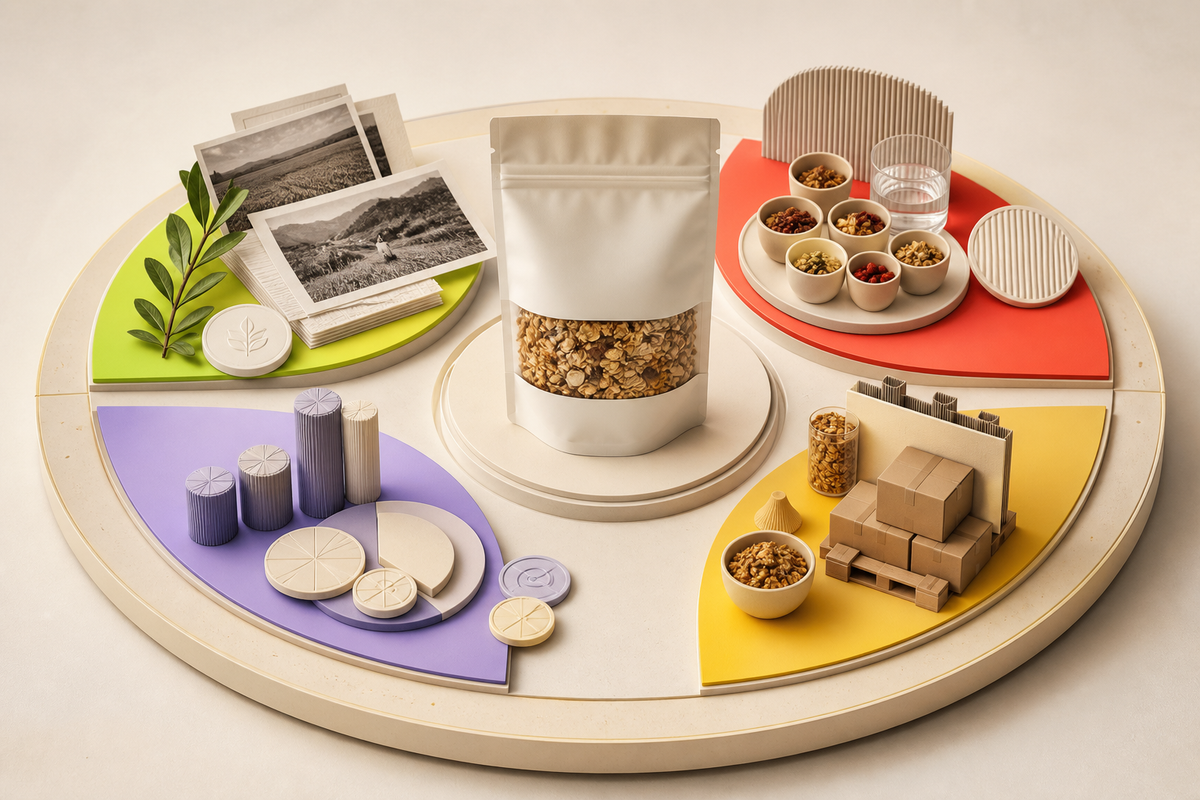
What would have to be true before a discontinued favourite could return responsibly?
Not one thing. Four different things—and strength in one cannot erase a failure in another.

1. Do people act?
Recognition matters, but the evidence should grow from comments toward participation, candidate-specific choices, meaningful purchases, and signs of repeat demand. A viral post is a lead, not a production plan.
2. Are rights and safety clear?
Historical references do not create ownership or permission. Relationships must be verified, and ingredients, allergens, claims, safety controls, labels, and customer communication must be supportable.
3. Can it be made well?
A promising kitchen test is not a commercial process. The idea needs a consistent formula, capable partners, ingredients, packaging, quality controls, storage, logistics, and enough supply to meet an honest offer.

4. Will people choose it again?
The first purchase may be powered by memory. The second has to be earned by flavour, usefulness, price, availability, and the role the product plays in someone’s life now.
If one question fails, the candidate pauses or stops. Read the RVVL Standard.